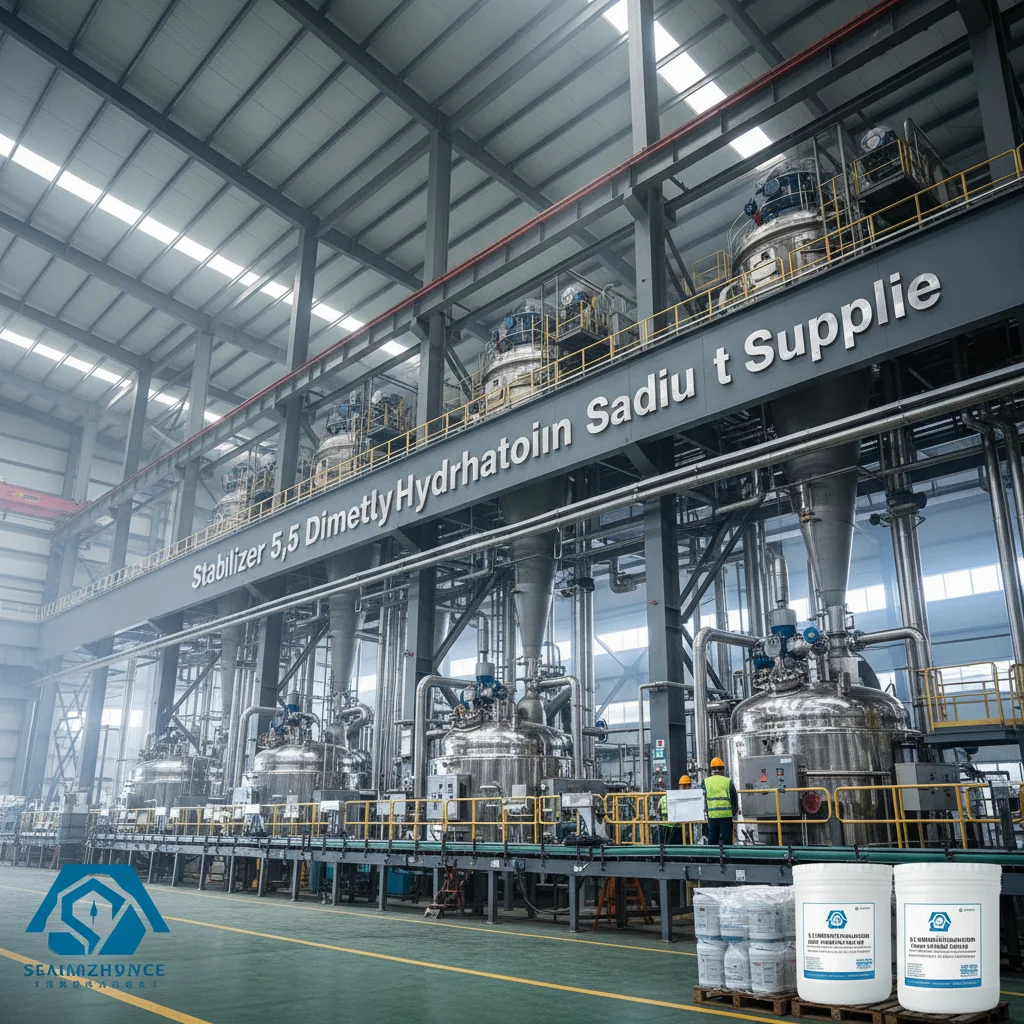
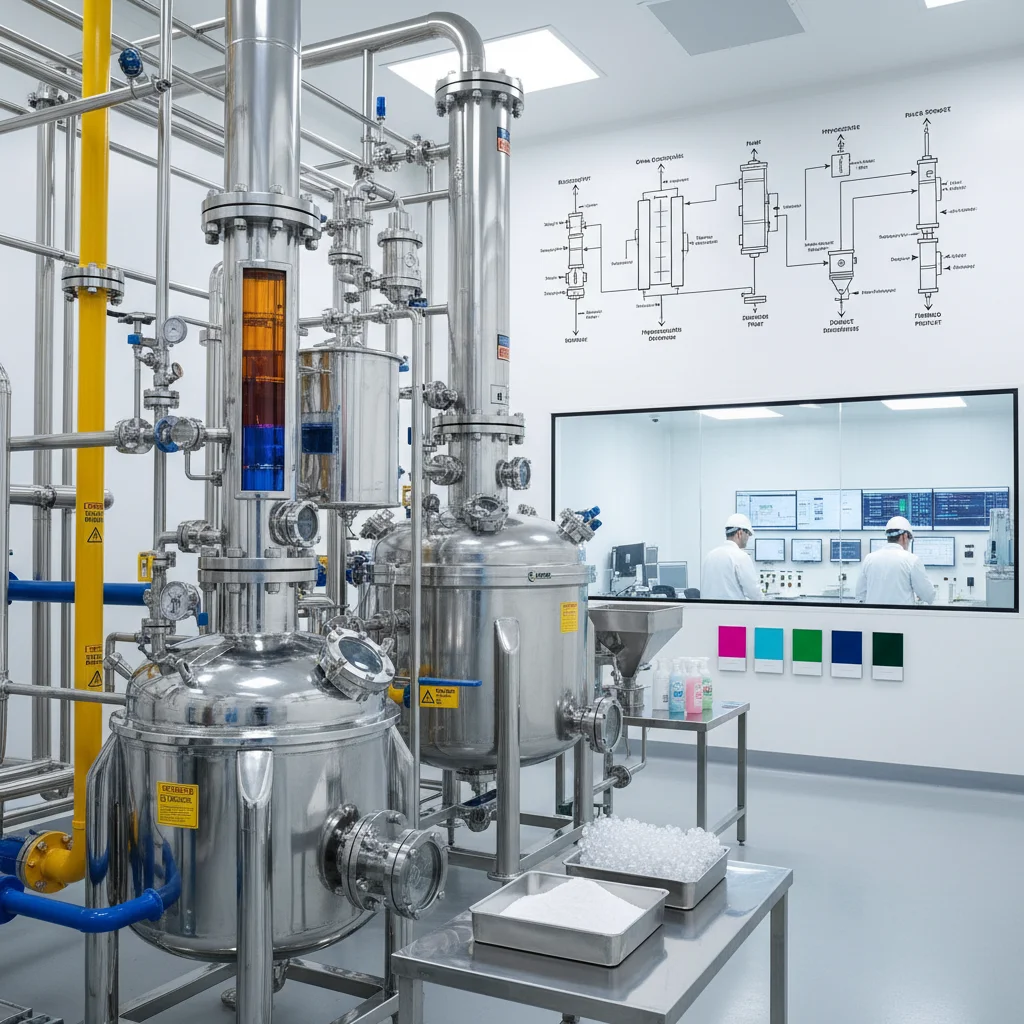
Dibromo 5 5 DimethylHydantoin product for Effective Water Treatment and Disinfection

0%

Table of Contents

Dibromo 5 5 DimethylHydantoin product is a potent biocide widely employed for disinfection and sanitization across diverse industries. Its efficacy stems from its slow-release of bromine, providing prolonged antimicrobial action. This makes it a crucial component in water treatment, ensuring safe and clean water supplies globally. Understanding the properties and applications of this compound is increasingly important in a world grappling with water scarcity and the rise of antibiotic-resistant bacteria.

The demand for effective and reliable disinfectants like Dibromo 5 5 DimethylHydantoin product is continuously growing, fueled by stringent regulations concerning water quality and hygiene standards. From swimming pool sanitation to industrial cooling water systems, its versatility makes it a preferred choice. Moreover, ongoing research explores innovative applications, expanding its potential impact in fields like healthcare and agriculture.

This compound offers a significant advantage over traditional chlorine-based disinfectants, particularly in applications requiring pH stability. Its effectiveness remains consistent across a broader pH range, minimizing the need for constant chemical adjustments and ensuring consistent disinfection performance. This positions Dibromo 5 5 DimethylHydantoin product as a key solution for various sanitation challenges.
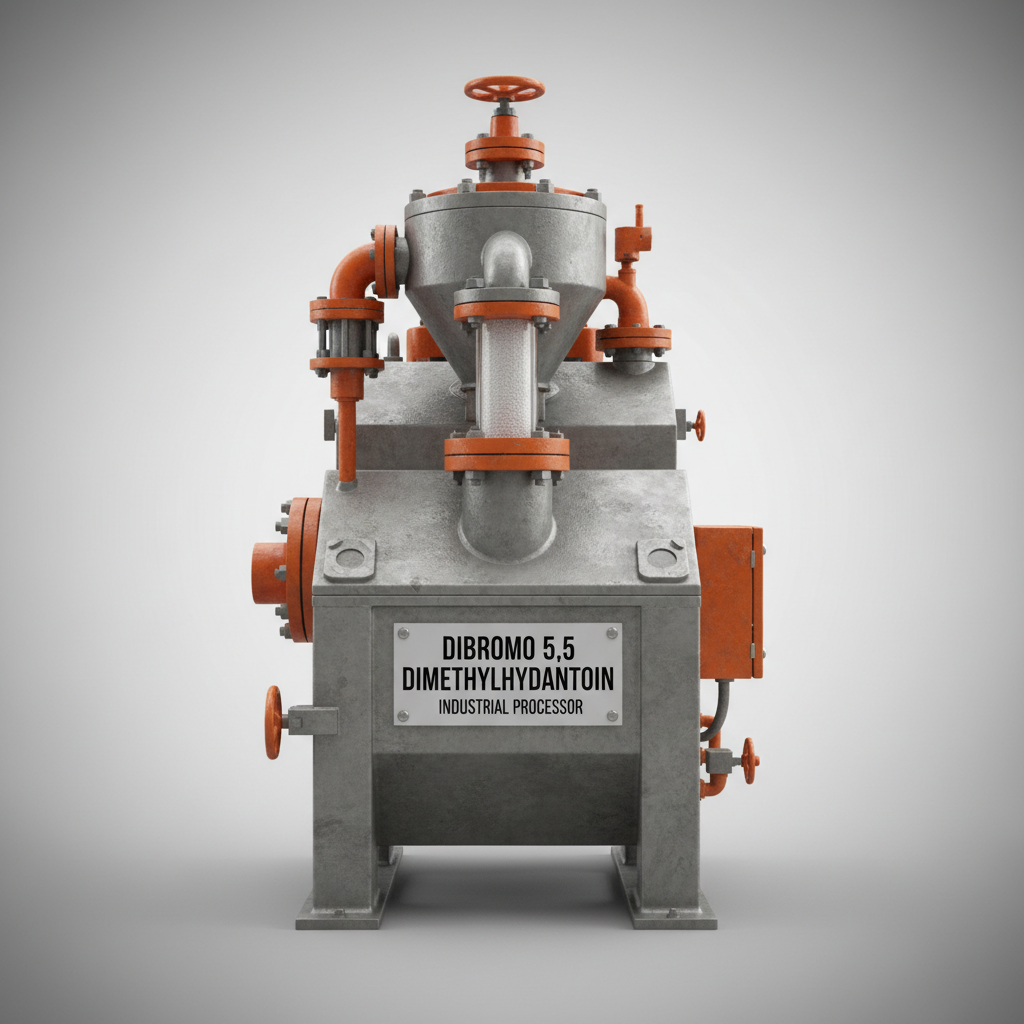

Dibromo 5 5 DimethylHydantoin product

The Chemical Profile of Dibromo 5 5 DimethylHydantoin product

Dibromo 5 5 DimethylHydantoin product

Dibromo 5 5 DimethylHydantoin product (DBDMH) is a heterocyclic organic compound with the chemical formula C5H6Br2N2O2. It’s a white to off-white crystalline solid, relatively stable under normal conditions, and easily soluble in organic solvents. Its key characteristic is its ability to slowly release bromine when dissolved in water, making it an effective disinfectant.

The chemical structure of DBDMH contributes significantly to its efficacy. The bromine atoms are bonded to the nitrogen atoms within the hydantoin ring, allowing for a controlled release of hypobromous acid (HOBr) upon hydrolysis. This controlled release minimizes the formation of harmful disinfection byproducts compared to direct bromine addition.

Global Relevance and Industry Applications

The global market for biocides, including Dibromo 5 5 DimethylHydantoin product, is substantial and continually expanding. Driven by increasing concerns regarding public health, water safety, and industrial hygiene, the demand is projected to grow significantly in the coming years. According to industry reports, the biocides market is expected to reach billions of dollars by 2030.

This compound plays a critical role in various sectors, including water treatment, pulp and paper manufacturing, oil and gas, and the hospitality industry. Water treatment plants utilize it to control microbial growth in cooling towers, reducing the risk of Legionella and other harmful pathogens. The pulp and paper industry uses it to prevent slime formation, enhancing production efficiency.

Furthermore, the need for effective sanitation in swimming pools and spas has established Dibromo 5 5 DimethylHydantoin product as a standard disinfectant. Its ability to maintain stable bromine levels, even with fluctuations in pH, ensures consistent water quality and a safe recreational environment.

Defining Dibromo 5 5 DimethylHydantoin product

At its core, Dibromo 5 5 DimethylHydantoin product is a chemical compound designed to control microbial growth. Unlike direct halogenation methods, DBDMH acts as a solid source of bromine, releasing it gradually into the solution it’s applied to. This sustained release creates a long-lasting disinfecting effect, crucial for maintaining sanitary conditions across various industries.

Its connection to modern industrial and humanitarian needs lies in the fundamental requirement for safe and clean water and environments. In a world facing increasing water stress and the emergence of antibiotic-resistant bacteria, effective disinfectants like Dibromo 5 5 DimethylHydantoin product are indispensable for protecting public health and ensuring sustainable resource management.

Essentially, Dibromo 5 5 DimethylHydantoin product represents a proactive approach to biocide control, offering a safe, reliable, and efficient alternative to traditional disinfection methods. Its versatility and ease of use make it a vital component in numerous applications, contributing to a healthier and more sustainable future.

Key Characteristics of Dibromo 5 5 DimethylHydantoin product

Several key characteristics define the effectiveness of Dibromo 5 5 DimethylHydantoin product. Firstly, its stability ensures a long shelf life and minimizes degradation during storage. Secondly, its solubility in water facilitates easy application and distribution of the biocide. Thirdly, its controlled bromine release provides sustained disinfection, reducing the frequency of re-treatment.

These characteristics translate into practical advantages, particularly in industrial settings. For example, in cooling water systems, the controlled release of bromine prevents biofouling, maintaining heat transfer efficiency and reducing energy consumption. Similarly, in swimming pools, it minimizes the formation of harmful disinfection byproducts, ensuring a safer recreational experience.

Comparative Effectiveness of Disinfection Methods

Diverse Applications Worldwide

Globally, Dibromo 5 5 DimethylHydantoin product finds application in a multitude of sectors. In North America, it's widely used for swimming pool and spa sanitation, particularly in commercial facilities. Europe employs it extensively in industrial water treatment to combat Legionella and other harmful bacteria.

In Asia, particularly in regions with limited access to clean water, it’s becoming increasingly important for potable water disinfection in rural communities. Furthermore, in the Middle East, its stability and effectiveness in high-temperature environments make it suitable for cooling tower water treatment in oil and gas facilities.

Advantages and Long-Term Benefits

The advantages of using Dibromo 5 5 DimethylHydantoin product are numerous. From a cost perspective, its concentrated form reduces transportation and storage costs. Environmentally, the controlled release of bromine minimizes the formation of harmful disinfection byproducts, contributing to sustainable water management.

Beyond the tangible benefits, the compound offers peace of mind. Knowing that water systems are effectively disinfected, and recreational facilities are safe for patrons, fosters trust and builds a positive reputation. This translates to improved public health outcomes and increased operational efficiency.

Future Trends and Innovations

Research and development efforts are focused on enhancing the delivery systems for Dibromo 5 5 DimethylHydantoin product. Microencapsulation technologies are being explored to further control bromine release and improve stability. Additionally, incorporating it into slow-release tablets or granules optimized for specific applications is an ongoing area of innovation.

The integration of digital monitoring systems, coupled with automated dosing control, represents another significant trend. These systems allow for real-time adjustments to bromine levels, optimizing disinfection efficiency and minimizing chemical consumption, aligning with sustainable practices.

Challenges and Solutions

One challenge associated with Dibromo 5 5 DimethylHydantoin product is the potential for the formation of disinfection byproducts, albeit significantly less than with chlorine-based disinfectants. Addressing this requires careful monitoring of water chemistry and optimization of dosage rates.

Another challenge is ensuring proper handling and storage to maintain product integrity. Implementing comprehensive training programs for personnel and adhering to strict safety protocols are crucial to mitigate these risks. Developing biodegradable packaging options can also contribute to a more sustainable lifecycle.

Furthermore, ongoing research focused on alternative bromine release mechanisms and enhanced byproduct mitigation strategies are key to addressing these challenges and maximizing the benefits of this valuable biocide.

Summary of Dibromo 5 5 DimethylHydantoin product Analysis Dimensions

Application Area Efficacy Score (1-10) Cost-Effectiveness (1-10) Environmental Impact (1-10)
Swimming Pool Disinfection 9 8 7
Cooling Water Treatment 8 7 6
Potable Water Disinfection 7 6 8
Pulp and Paper Industry 9 9 5
Industrial Wastewater Treatment 8 7 6
Healthcare Facility Sanitation 7 6 7

FAQS

What are the primary benefits of using Dibromo 5 5 DimethylHydantoin product compared to chlorine-based disinfectants?

Dibromo 5 5 DimethylHydantoin product offers several key advantages. It maintains efficacy over a wider pH range, reducing the need for constant chemical adjustments. It also produces fewer harmful disinfection byproducts. Furthermore, its slow-release bromine action provides longer-lasting disinfection, leading to reduced chemical consumption and cost savings in the long run. This makes it an ideal solution for applications where consistent and reliable disinfection is paramount.

How does Dibromo 5 5 DimethylHydantoin product contribute to sustainable water management?

Dibromo 5 5 DimethylHydantoin product promotes sustainable water management through its efficient disinfection capabilities. By minimizing the formation of harmful byproducts, it reduces the environmental impact of water treatment. Its concentrated form reduces shipping costs and storage requirements, lowering the carbon footprint. Moreover, its ability to control biofouling in industrial systems improves energy efficiency.

What safety precautions should be taken when handling Dibromo 5 5 DimethylHydantoin product?

When handling Dibromo 5 5 DimethylHydantoin product, it's crucial to wear appropriate personal protective equipment (PPE), including gloves, eye protection, and a respirator. Avoid contact with skin and eyes. Ensure adequate ventilation in the work area. Store the product in a cool, dry place, away from incompatible materials. Always follow the safety guidelines provided in the Material Safety Data Sheet (MSDS).

Is Dibromo 5 5 DimethylHydantoin product suitable for use in all water types?

Dibromo 5 5 DimethylHydantoin product is generally suitable for a wide range of water types, but it's essential to consider water chemistry. High organic matter content can reduce its effectiveness. In some cases, pre-treatment to remove organic contaminants may be necessary. It’s crucial to perform regular water quality testing and adjust dosage rates accordingly to ensure optimal disinfection.

What is the shelf life of Dibromo 5 5 DimethylHydantoin product and how should it be stored?

The shelf life of Dibromo 5 5 DimethylHydantoin product is typically 2-3 years when stored properly. It should be stored in a cool, dry, well-ventilated area, away from direct sunlight and incompatible materials such as reducing agents. Keep containers tightly closed to prevent moisture absorption and maintain product integrity. Follow the storage instructions provided on the product label.

How does the bromine released from Dibromo 5 5 DimethylHydantoin product compare to directly adding bromine to water?

Dibromo 5 5 DimethylHydantoin product offers a safer and more controlled release of bromine compared to directly adding bromine. Direct bromine addition is highly corrosive and requires specialized handling equipment. DBDMH slowly releases bromine upon hydrolysis, minimizing the risk of corrosion and simplifying application. The controlled release also helps to maintain stable bromine levels for longer periods.

Conclusion

Dibromo 5 5 DimethylHydantoin product stands as a cornerstone in modern disinfection and sanitation practices. Its versatility, efficacy, and relative environmental safety make it an essential component across diverse industries, safeguarding public health and optimizing operational efficiency. Understanding its chemical properties, application methods, and future trends is critical for continued innovation and sustainable resource management.

Looking ahead, ongoing research and development focusing on enhanced delivery systems and byproduct mitigation strategies will further solidify its role as a premier biocide. We encourage you to explore the possibilities of Dibromo 5 5 DimethylHydantoin product for your specific needs. Visit our website at www.leache-chem.com to learn more and request a consultation.
William Thompson

William Thompson

William Thompson is a Senior Production Engineer at Leache Chem, overseeing the automated packaging and digital storage systems implemented in the provincial industrial park. He joined the company in 2016, bringing extensive experience in process engineering and automation. William was crucial in transitioning the production lines to intelligent manufacturing, enhancing
Previous Leading Dibromo 5 5 DimethylHydantoin supplier for Industrial Water Treatment
Next Leading Dichloro 5 5 DimethylHydantoin manufacturer for Industrial and Water Treatment Solutions

If you are interested in our products, you can choose to leave your information here, and we will be in touch with you shortly.