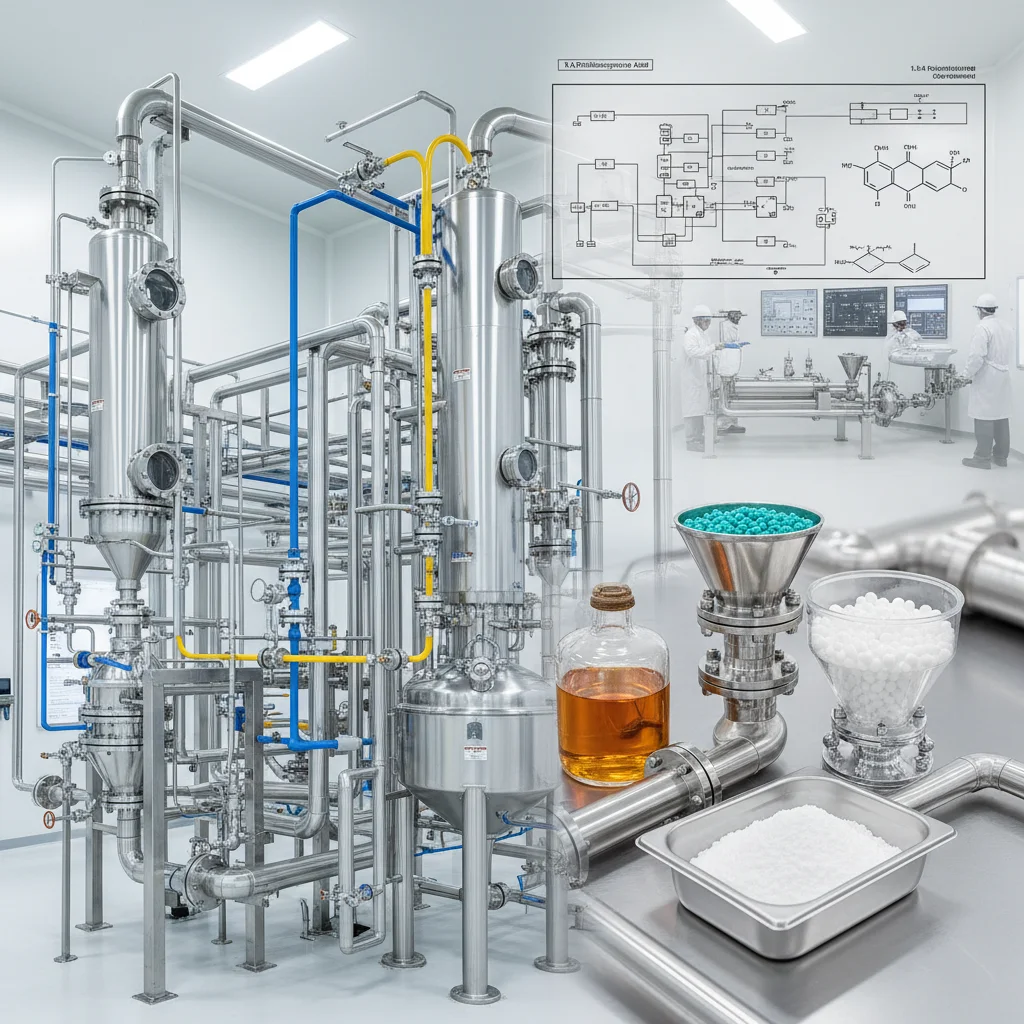
Stabilizer 5 5 DimethylHydantoin Sodium Salt factory plays a critical role in numerous industrial applications, acting as a vital chlorine stabilizer for water treatment, particularly in swimming pools, spas, and industrial cooling systems. The consistent demand for clean and safe water globally fuels the need for reliable stabilizer solutions, and factories specializing in this compound are central to meeting this demand. Understanding the manufacturing processes, quality control measures, and global supply chains associated with Stabilizer 5 5 DimethylHydantoin Sodium Salt factory is paramount for industries reliant on effective water sanitation.
The global market for water treatment chemicals is experiencing substantial growth, driven by increasing populations, stricter environmental regulations, and a heightened awareness of public health concerns. Stabilizer 5 5 DimethylHydantoin Sodium Salt factory directly addresses the challenges of chlorine degradation caused by sunlight and organic contaminants, ensuring prolonged disinfectant efficacy and reducing chlorine consumption. This has significant economic and environmental benefits, making it a crucial component in sustainable water management practices.
The efficiency and reliability of Stabilizer 5 5 DimethylHydantoin Sodium Salt factory directly impact the cost-effectiveness of water treatment processes, affecting sectors from recreational facilities to large-scale industrial operations. Innovations in production techniques and a focus on purity are continually improving the performance of this vital chemical, making it an indispensable tool for maintaining water quality worldwide.
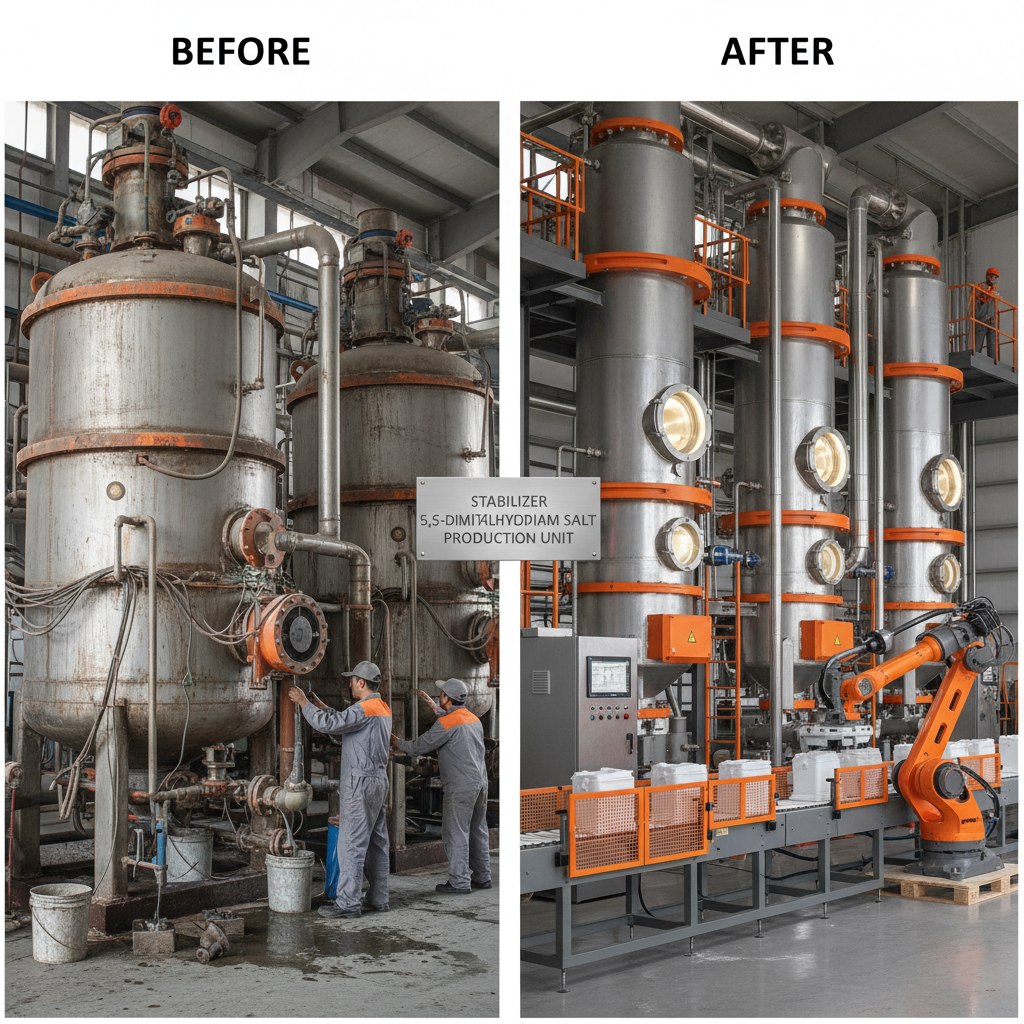
The Role of Stabilizer 5 5 DimethylHydantoin Sodium Salt factory in Global Water Treatment
Stabilizer 5 5 DimethylHydantoin Sodium Salt factory represents a critical component in maintaining effective water sanitation across the globe. The role of a reliable and efficient Stabilizer 5 5 DimethylHydantoin Sodium Salt factory extends beyond simply providing a chemical compound; it encompasses ensuring consistent quality, sustainable production methods, and adherence to stringent safety standards. Without adequate stabilization, chlorine, a primary disinfectant, rapidly degrades, rendering water treatment less effective and potentially posing public health risks.
The demand for this stabilizer is directly correlated with global efforts to improve access to clean water and sanitation, as outlined by the UN Sustainable Development Goals. Factories specializing in the production of Stabilizer 5 5 DimethylHydantoin Sodium Salt factory are, therefore, integral to achieving these goals, particularly in regions with high levels of sunlight exposure and organic contamination where chlorine degradation is accelerated.
Understanding Stabilizer 5 5 DimethylHydantoin Sodium Salt factory: A Global Perspective
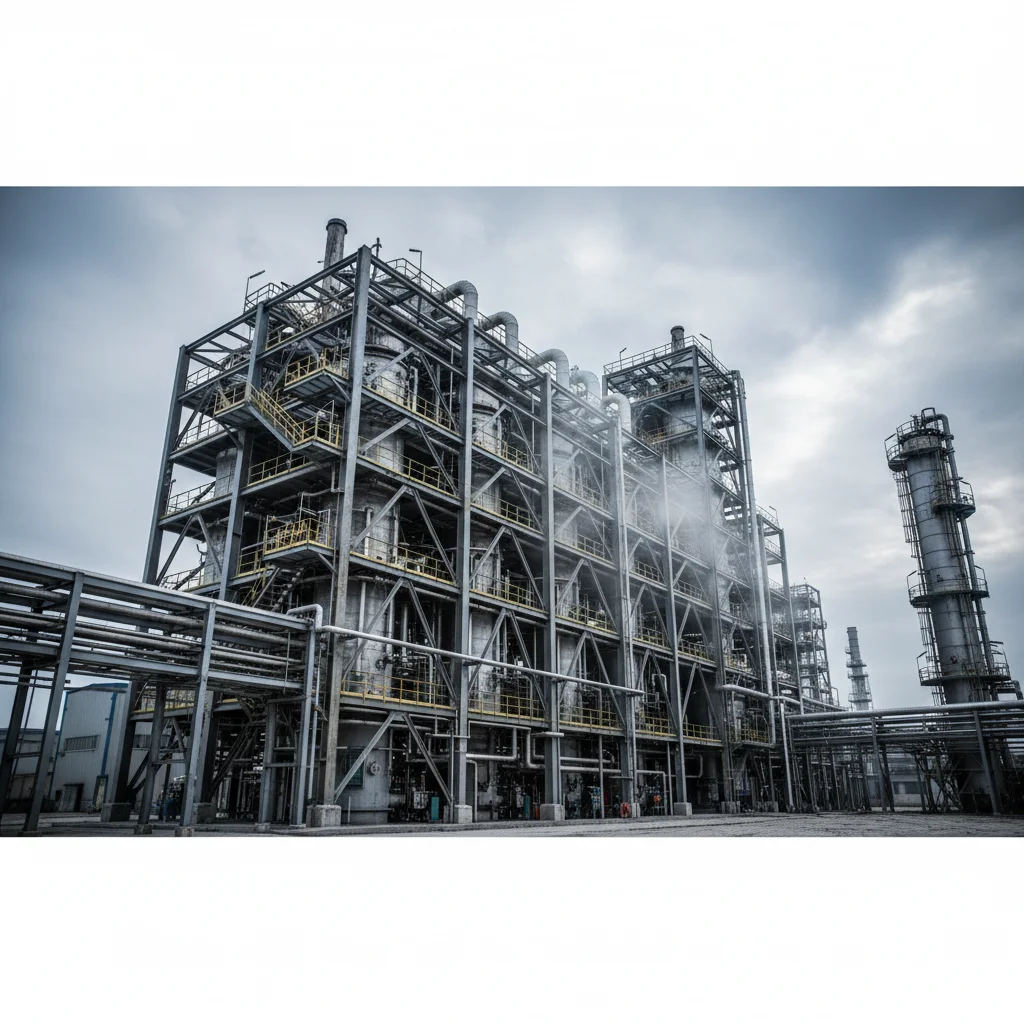
The production and distribution of Stabilizer 5 5 DimethylHydantoin Sodium Salt factory are influenced by a complex interplay of economic, environmental, and regulatory factors. Global manufacturing is concentrated in regions with established chemical industries and access to raw materials, such as China, India, and parts of Europe. These factories serve both domestic markets and export to regions with significant water treatment needs, including North America, South America, Africa, and Southeast Asia. The ISO 9001 certification is often a benchmark for quality management systems within these factories.
The World Bank estimates that billions of dollars are invested annually in water treatment infrastructure globally, driving the demand for effective and affordable stabilizers. Competition among Stabilizer 5 5 DimethylHydantoin Sodium Salt factory producers is fierce, with manufacturers constantly seeking to optimize production processes and reduce costs. This competitive landscape also encourages innovation in product formulation and packaging to meet evolving customer needs.
Furthermore, environmental regulations pertaining to chemical manufacturing and wastewater discharge are becoming increasingly stringent worldwide. Reputable Stabilizer 5 5 DimethylHydantoin Sodium Salt factory companies prioritize sustainable practices, including waste reduction, energy efficiency, and responsible sourcing of raw materials, to comply with these regulations and minimize their environmental impact.
Defining Stabilizer 5 5 DimethylHydantoin Sodium Salt factory and its Significance
Stabilizer 5 5 DimethylHydantoin Sodium Salt factory, also known as Dihalomethylhydantoin sodium salt, is a chemical compound used primarily to protect chlorine from degradation caused by ultraviolet (UV) radiation from the sun. It works by scavenging free radicals formed by the UV light, preventing the breakdown of chlorine into ineffective byproducts. Essentially, it extends the lifespan of chlorine, reducing the frequency and cost of chlorine additions.
Its connection to modern industry is fundamental to maintaining sanitary conditions in recreational water facilities, drinking water systems, and industrial processes. Without this stabilizer, maintaining adequate chlorine levels would require significantly higher dosages, increasing costs, and potentially leading to undesirable disinfection byproducts. This chemical is crucial for humanitarian efforts in providing safe drinking water in disaster relief situations and developing countries.
The effectiveness of Stabilizer 5 5 DimethylHydantoin Sodium Salt factory is vital in reducing the spread of waterborne diseases, protecting public health, and ensuring the longevity and efficiency of water treatment infrastructure. Selecting a high-quality Stabilizer 5 5 DimethylHydantoin Sodium Salt factory is essential for maximizing its benefits.
Key Factors Influencing Stabilizer 5 5 DimethylHydantoin Sodium Salt factory Quality
The quality of Stabilizer 5 5 DimethylHydantoin Sodium Salt factory is determined by several critical factors. Purity is paramount, as impurities can reduce its effectiveness and potentially introduce undesirable contaminants into the water. A reliable factory will employ rigorous quality control measures throughout the production process, including raw material testing, in-process monitoring, and final product analysis.
Particle size distribution also influences performance. A consistent and appropriate particle size ensures uniform dispersion in water, maximizing its stabilizing effect. Solubility is another key factor, as a readily soluble product dissolves quickly and efficiently, providing immediate protection to chlorine.
Stabilizer 5 5 DimethylHydantoin Sodium Salt factory Quality Parameters
Global Applications and Use Cases of Stabilizer 5 5 DimethylHydantoin Sodium Salt factory
The primary application of Stabilizer 5 5 DimethylHydantoin Sodium Salt factory is in swimming pool and spa water treatment, where it effectively protects chlorine from sunlight degradation, maintaining safe and sanitary conditions for recreational use. Its use is widespread in both public and private facilities across the globe.
Beyond recreational water, it finds applications in industrial cooling water systems to prevent biofouling and corrosion, enhancing operational efficiency and extending equipment lifespan. It’s also utilized in certain drinking water treatment facilities, particularly where UV disinfection is employed, ensuring consistent and reliable disinfection.
Advantages and Long-Term Value of Stabilizer 5 5 DimethylHydantoin Sodium Salt factory
The advantages of using Stabilizer 5 5 DimethylHydantoin Sodium Salt factory are multifaceted. It reduces chlorine consumption, leading to cost savings for pool operators and water treatment facilities. Its ability to prolong chlorine effectiveness minimizes the need for frequent chlorine additions, simplifying maintenance procedures.
From a sustainability perspective, reducing chlorine usage translates to lower energy consumption in chlorine production and reduced transportation emissions. The long-term value lies in its contribution to maintaining water quality, protecting public health, and ensuring the efficient operation of water treatment systems. Investing in high-quality product from a reputable Stabilizer 5 5 DimethylHydantoin Sodium Salt factory guarantees these benefits.
Future Trends and Innovations in Stabilizer 5 5 DimethylHydantoin Sodium Salt factory Production
Future trends point towards more sustainable and environmentally friendly production methods for Stabilizer 5 5 DimethylHydantoin Sodium Salt factory. Research is underway to explore alternative raw materials and reduce waste generation during manufacturing. The development of more concentrated formulations and innovative packaging solutions is also expected to minimize environmental impact.
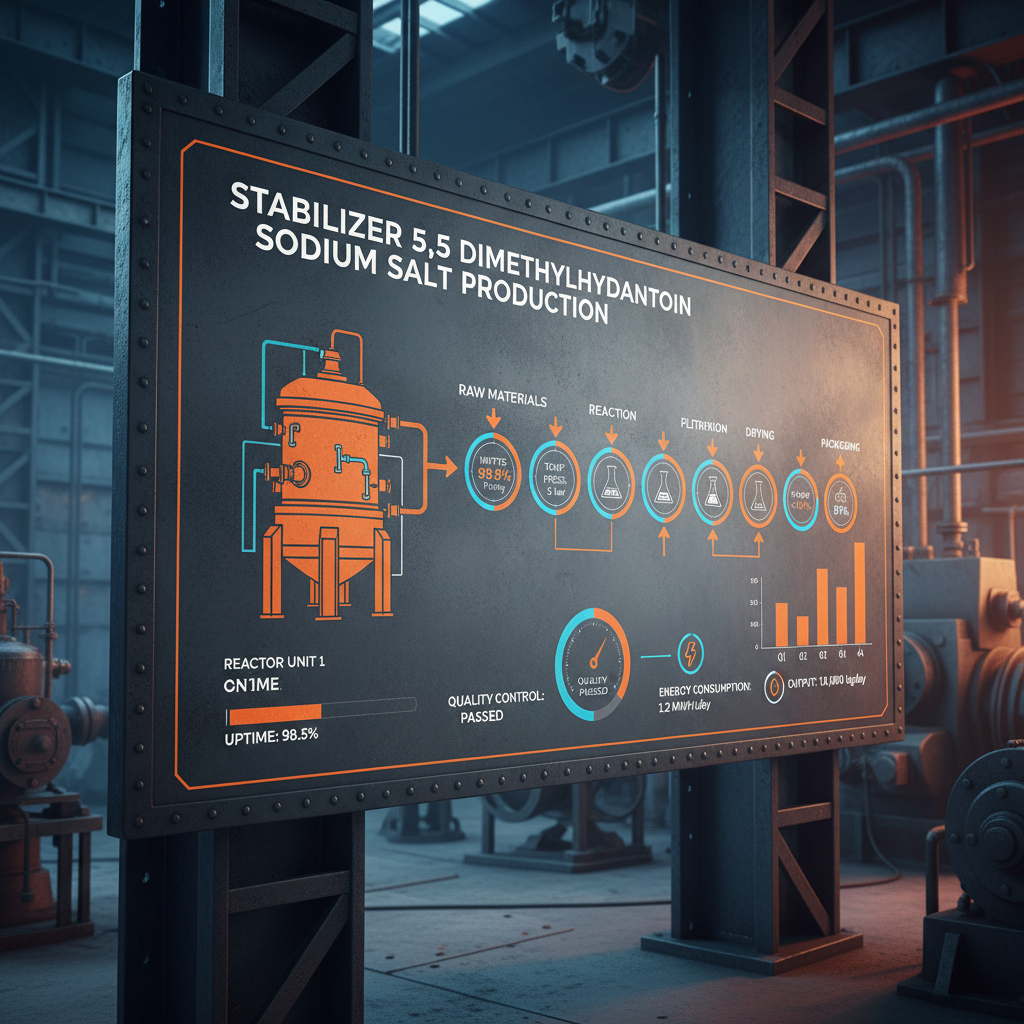
Digitalization and automation are being implemented in factories to improve process control, enhance product quality, and reduce production costs. Furthermore, advancements in analytical techniques are enabling more precise monitoring of product purity and consistency. The integration of IoT sensors and data analytics will further optimize production processes and ensure efficient resource utilization.
The industry is also exploring synergistic combinations with other water treatment chemicals to enhance overall system performance and address emerging challenges, such as the formation of disinfection byproducts.
FAQS
The ideal dosage depends on factors like pool size, sunlight exposure, and water chemistry. Generally, an initial dosage of 30-50 ppm is recommended, followed by regular maintenance additions to maintain a level of 30-50 ppm. Always follow the manufacturer's instructions and regularly test water chemistry.
Stabilizer 5 5 DimethylHydantoin Sodium Salt factory often provides more efficient chlorine stabilization at lower concentrations than cyanuric acid. It can also be less prone to scaling and clouding in pool water, making it a preferred choice in some applications. However, both serve the same fundamental purpose.
Yes, it’s generally compatible with all common chlorine disinfectants, including chlorine gas, sodium hypochlorite (liquid chlorine), and calcium hypochlorite (granular chlorine). However, it's always best to consult the product labels of both the stabilizer and the disinfectant to ensure compatibility.
Always wear appropriate personal protective equipment (PPE), including gloves, goggles, and a dust mask, when handling the chemical. Avoid contact with skin and eyes. Ensure adequate ventilation and store the product in a cool, dry place away from incompatible materials. Refer to the Safety Data Sheet (SDS) for detailed safety information.
Use a reliable test kit or test strips specifically designed to measure stabilizer levels. Maintain a level between 30-50 ppm for optimal chlorine protection. Regularly monitor and adjust the stabilizer level as needed, especially after heavy rainfall or significant water dilution.
While Stabilizer 5 5 DimethylHydantoin Sodium Salt factory is generally considered safe when used as directed, it's important to minimize its release into the environment. Proper storage and handling practices, along with responsible water disposal methods, can help mitigate any potential environmental impacts.
Conclusion
In conclusion, Stabilizer 5 5 DimethylHydantoin Sodium Salt factory is a vital component of modern water treatment, safeguarding public health and optimizing the efficiency of disinfection processes. Its ability to protect chlorine from degradation, reduce chemical consumption, and minimize environmental impact underscores its long-term value across diverse applications, from recreational facilities to industrial operations. Selecting a trusted Stabilizer 5 5 DimethylHydantoin Sodium Salt factory is essential for achieving these benefits.
Looking ahead, continued innovation in production methods, coupled with a commitment to sustainability and responsible chemical management, will further enhance the role of Stabilizer 5 5 DimethylHydantoin Sodium Salt factory in ensuring access to clean and safe water for all. Investing in research and development to explore synergistic combinations with other water treatment technologies will be crucial for addressing emerging challenges and optimizing water quality in the years to come.